
Telehealth psychiatry represents a significant shift in how individuals access mental health care. By leveraging technology, patients can engage with licensed professionals without the constraints of location.
This method aims to enhance accessibility and reduce stigma associated with seeking treatment. However, as with any new approach, there are intricacies and considerations worth exploring.
What are the real benefits and challenges of this innovative service? Understanding these factors is essential for anyone considering telehealth options.
While traditional psychiatric care often requires in-person consultations, telehealth psychiatry offers a modern alternative that utilizes technology to deliver mental health services remotely.
This approach allows patients to receive care through video calls, phone conversations, or messaging platforms, making mental health support more accessible. Telehealth psychiatry can address various conditions, including anxiety, depression, and stress-related disorders, enabling individuals to connect with licensed professionals from the comfort of their homes.
By removing geographical barriers and reducing the stigma often associated with seeking help, telehealth psychiatry represents a significant advancement in the delivery of mental health care in today's digital age.
Telehealth psychiatry operates by leveraging digital technology to facilitate remote consultations between patients and mental health professionals.
This process typically involves the use of video conferencing, phone calls, or secure messaging platforms to conduct assessments, therapy sessions, and follow-ups. Patients can access care from their homes, reducing barriers related to transportation and geographical limitations.
Mental health professionals utilize specialized software to maintain confidentiality and comply with healthcare regulations. During these virtual interactions, practitioners can diagnose conditions, prescribe medications, and offer therapeutic support, ensuring that patients receive timely and effective mental health care tailored to their individual needs.
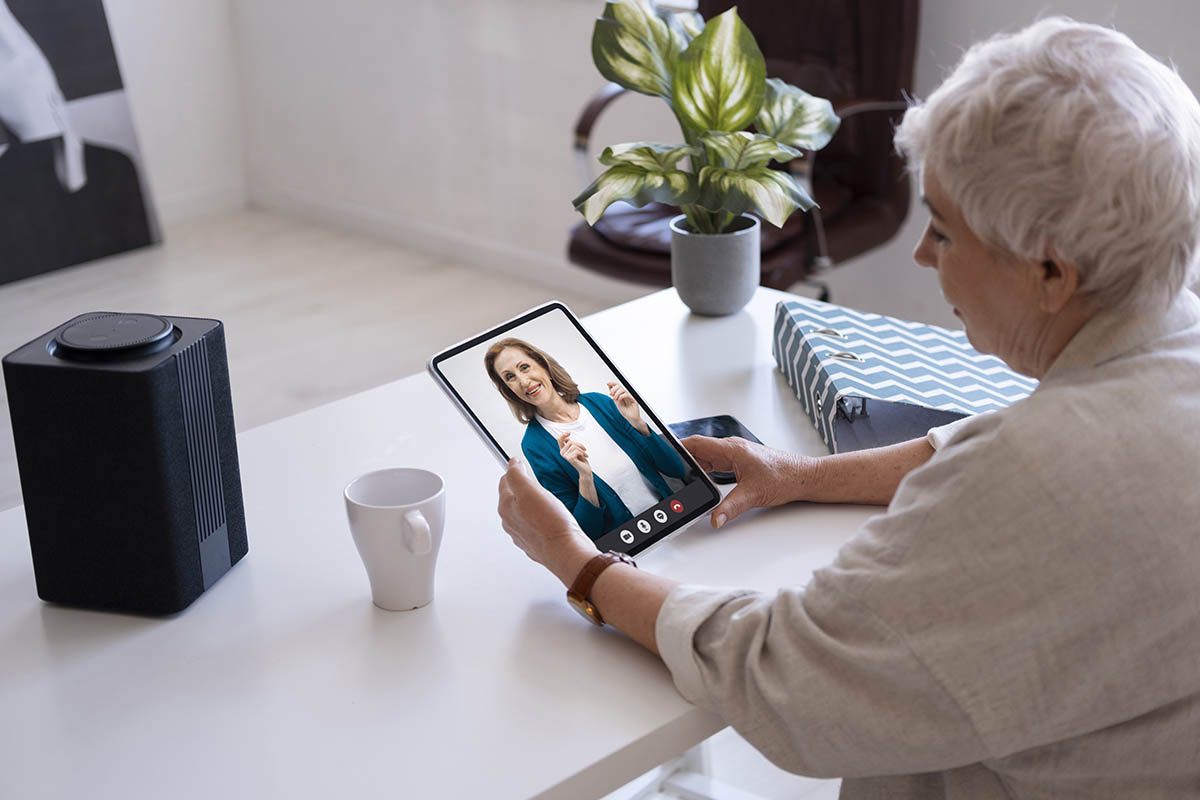
As individuals increasingly seek accessible mental health care, telehealth psychiatry offers numerous advantages that enhance the patient experience. One key benefit is the elimination of travel barriers, allowing patients to attend appointments from the comfort of their homes.
This convenience can lead to increased adherence to treatment plans. Additionally, telehealth can provide a wider selection of specialists, enabling patients to find providers who best meet their needs.
Privacy is often enhanced, as individuals can engage in therapy without the anxiety of being seen entering a clinic. Overall, telehealth psychiatry promotes timely access to care and fosters a supportive therapeutic environment.
Despite its many advantages, telehealth psychiatry is not without its challenges. Issues such as technology barriers can hinder access for individuals lacking reliable internet or the necessary devices.
Additionally, some patients may find it difficult to establish rapport with their psychiatrist through a screen, potentially impacting the therapeutic relationship. Privacy concerns also arise, as the home environment may not provide the same confidentiality as a traditional office setting.
Moreover, regulatory and reimbursement complexities can complicate access to care. Collectively, these challenges underscore the need for ongoing evaluation and adaptation to optimize telehealth psychiatry for diverse patient populations.

How can individuals guarantee they select the right telehealth psychiatrist for their needs? First, they should verify the psychiatrist's qualifications, including their education, licensing, and specialization in mental health issues relevant to the individual's concerns.
Next, researching reviews and testimonials can provide insight into the psychiatrist's approach and effectiveness. Additionally, understanding the technology used for appointments and ensuring it aligns with personal comfort levels is essential.
Finally, evaluating the psychiatrist's communication style and availability allows individuals to determine if they can build a trusting therapeutic relationship. Making these informed choices can enhance the telehealth experience and outcome.
To guarantee a successful virtual appointment, individuals should prioritize preparation and a conducive environment. Finding a quiet, well-lit space free from distractions is essential for maintaining focus.
Testing technology beforehand, including internet connectivity and audio-visual equipment, can prevent interruptions. It is beneficial to have relevant materials, such as a list of symptoms or questions, readily available.
Punctuality is also important; logging in a few minutes early demonstrates respect for the psychiatrist's time. Finally, practicing open communication can enhance the session's effectiveness, allowing for a productive dialogue about mental health concerns and treatment options.

Many insurance plans do cover telehealth psychiatric services, but the extent of coverage can vary. It is crucial for individuals to review their specific policy details or contact their insurance provider for clarification. Some insurers may have limitations regarding which services are covered or may require prior authorization. Additionally, individuals should confirm that their chosen psychiatrist is within their insurance network to guarantee maximum coverage and minimize out-of-pocket expenses.
Yes, an individual can switch telehealth psychiatrists if needed. The process typically involves notifying the current psychiatrist and seeking a new one that better fits their needs. Factors such as communication style, treatment approach, or specific expertise can influence this decision. It is essential for individuals to feel comfortable and supported in their mental health journey, and finding the right psychiatrist is a vital step towards achieving ideal mental wellness.
Telehealth psychiatry is often covered by insurance, but coverage varies greatly among providers and plans. Many insurance companies have expanded their telehealth benefits, especially following the COVID-19 pandemic, to include mental health services. Patients are encouraged to verify their specific policy details, as copays, deductibles, and eligibility can differ. Additionally, some states have enacted laws mandating insurance coverage for telehealth services, further influencing accessibility for individuals seeking psychiatric care.